394
394 What is technical SEO and what is considered technical SEO optimization?
Why can a site "do everything right" with its content and links, but organic traffic still drops? Could it be that the problem isn't with the text, but with the technical base that no one has checked?
What is technical SEO in simple terms?
What is technical SEO?This is the part of SEO that ensures a website is technically understandable to Google: it loads quickly, crawls correctly, indexes correctly, and doesn't create "noise" for the search engine in the form of errors, duplicates, or a confusing structure.
If content is "what you tell the client" and links are "who trusts you," then technical SEO is "what foundation the website rests on." Without it, systematic website promotion in Ukraine turns into a struggle for visibility with the handbrake constantly on.
What is technical website optimization and what is considered technical SEO optimization?
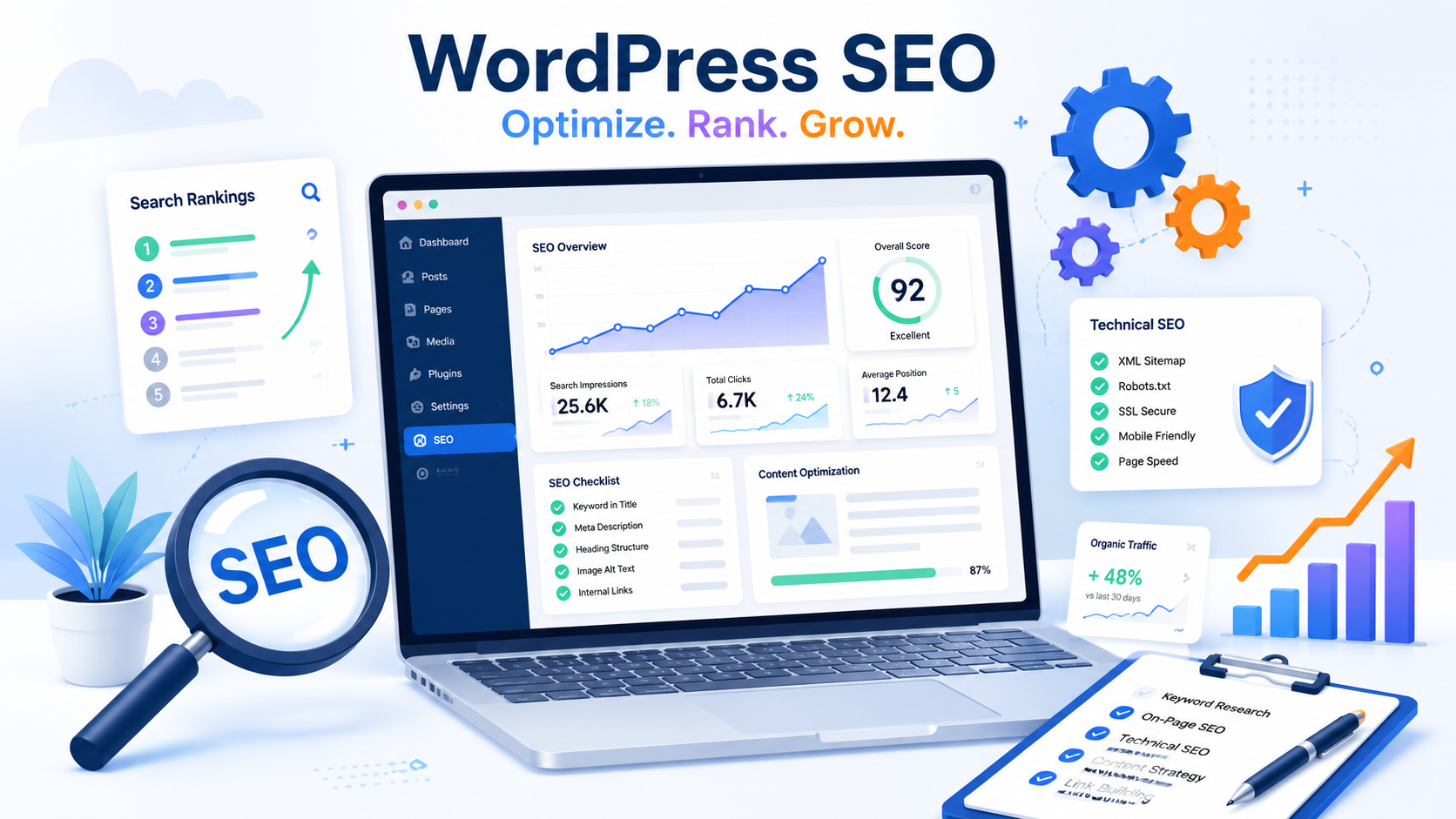
What is technical website optimization? It's a set of activities that remove barriers to growth: improving page accessibility for robots, increasing loading speed and quality, and streamlining the structure and indexing signals. In practice, technical SEO optimization typically includes:
- indexing and management crawl budget (so that Google spends resources on important pages);
- Loading speed and Core Web Vitals (LCP, INP, CLS);
- mobile-first;
- HTTPS and correct redirects (301/302) without chains;
- site structure, clear URLs and breadcrumbs;
- duplicates, canonical, pagination and URL parameters;
- sitemap.xml And robots.txt (correct permissions/prohibitions);
- schema.org micro-markup for rich snippets;
- 4xx/5xx errors, broken links, JS rendering issues.
Practical Benefits of SEO for Business in Ukraine
A technical foundation directly impacts Google visibility: pages are indexed faster, rank better on mobile devices, and the share of "lost" URLs due to duplicates and errors is reduced. For online stores, this means more categories and search results, while for local businesses, it means more stable rankings for "nearby" queries and increased organic traffic without unnecessary risk.

What's the difference between SEO and technical SEO, and why does a website lose traffic without it?
What is the difference between SEO and technical SEO?
In short, SEO is a system that relies on three pillars: content (we hit the intent and answer the query), links (we confirm authority), and technology (we make sure Google can see it effectively). That's why the question What is the difference between SEO and technical SEO? — About the roles: Classic SEO often focuses on semantics, pages, and link building, while technical SEO focuses on indexing infrastructure, speed, correct signals, and the absence of errors.
"You can have perfect content but lose traffic if search engines don't index or misinterpret your pages."
Technical SEO doesn't "replace" content and links—it removes the barriers that undermine effective SEO and prevent efforts from converting into increased organic traffic.
Why a website loses organic traffic without technology: cause-and-effect relationships
A drop in Google visibility almost always has a technical explanation: the search engine stops crawling/indexing important URLs or starts ranking the wrong versions of pages. Common causes:
- non-indexing due to robots.txt, noindex, incorrect sitemap.xml;
- 4xx/5xx errors that “throw” pages out of the index;
- broken canonicals/redirects: traffic is diverted to a different version of the URL or disappears due to 301 chains;
- Duplicates and parameters (filters, sorting) eat up crawl budget and blur relevance;
- JS rendering issues: content is visible to the user, but difficult to read by the bot;
- slow loading and poor Core Web Vitals, especially on mobile (mobile-first).
Examples of visibility loss scenarios in Ukraine (UA): languages, regions, website versions
Incorrect language versions are a common SEO issue for businesses in Ukraine. Hreflang errors or mixing /ua and /ru lead to Google showing the "wrong" language/region, and important pages are losing impressions. Another scenario is the mass implementation of filters in an online store: without indexing rules and canonicals, Google begins crawling thousands of parametric URLs, and important categories are downgraded. A third scenario is a redesign: the structure is changed, 301 redirects are forgotten, and the accumulated visibility is lost.

FAQ: Technical SEO Audit and Technical Optimization (Question and Answer)
Frequently asked questions about technical SEO audits
What is a technical SEO audit? It's a site check for errors and limitations that hinder crawling, indexing, and ranking: from 4xx/5xx and redirects to duplicates, canonicals, speed, and mobile-first issues. Essentially, the audit answers the question of why technical SEO is important for your project and where your site is losing visibility in Google.
How often should you audit? At least once a quarter for small sites and once a month. for online stores and projects with frequent changes (new categories, filters, migrations). Unscheduled changes – after a redesign, CMS change, multilingual implementation (/ua, /ru), and major template edits.
What tools should I use? For basic diagnostics, Google Search Console (indexing, coverage, excluded pages), GA4 (traffic and behavior), PageSpeed Insights/Lighthouse (speed and Core Web Vitals), and crawlers like Screaming Frog SEO Spider or similar tools (Sitebulb, JetOctopus) are usually sufficient to find duplicates, redirect chains, meta tags, and response statuses.
Technical Optimization: What It Is and What Counts as "Technical Edits"
What is technical website optimization? It involves implementing corrections based on the audit results: setting up indexing (robots.txt, sitemap.xml), eliminating duplicates and parameters, correct canonical and 301 URLs, fixing 4xx/5xx errors, speeding up loading and stabilizing Core Web Vitals, improving the mobile version, setting up HTTPS, structuring URLs and breadcrumbs, and adding/verifying schema.org. In short, What is considered technical SEO optimization? Anything that improves the accessibility and readability of a site for Google without changing the essence of the content.
The priorities are usually as follows: first, critical indexing errors and server failures, then canonicals/redirects and duplicates, then speed and mobility, and only then "cosmetic" markup and micro-improvements.
Timeframe for effect and how to measure results
How long does it take to see results? Quick fixes (5xx fixes, removing random bans, fixing redirects) can increase visibility within 1-2 weeks after re-crawling. More systemic changes (speed, architecture, parameter management) usually take 4-8 weeks to see results. For online stores in Ukraine, the key risk is filters and pagination, while for local businesses, it's mobility, speed, and the accuracy of regional and language versions.
It's best to evaluate SEO effectiveness and organic traffic growth using a combination of metrics: in GSC—clicks, impressions, average position, and number of indexed pages; in GA4—organic sessions, conversions/applications, and the share of branded/non-branded traffic.
"Good technical optimization doesn't create traffic out of thin air—it stops wasting the traffic you've already earned through content and links."
Understanding Technical SEO
Technical SEO, in a practical sense, is the foundation upon which all results are based: content, structure, links, and conversions. You can invest in copy and link building without too much noise, but if your site is slow, produces duplicate content, provides incorrect canonicals, or some pages aren't indexed, Google simply won't be able to consistently show you in search results. Therefore, this technique isn't an "add-on," but an essential part of systematic website promotion and sustainable organic traffic growth.
The process of finding a solution begins with a clear diagnosis: what exactly is preventing scanning and indexingWhere crawl budget is being wasted, what errors (4xx/5xx, redirects, JS rendering, parameters) are eating into visibility, and how this impacts business metrics. Then, SEO for business becomes a manageable process: you understand the priorities, deadlines, and expected results, rather than "hoping for luck."
If you need to take the first steps to improve your Google visibility and digital business growth, start with basic technical monitoring: check Google Search Console (indexing, exclusions, errors), crawl your site (duplicates, redirect chains, response statuses), evaluate speed and Core Web Vitals on mobile, clean up your sitemap.xml and robots.txt, and ensure that language/regional versions for Ukraine are configured logically (URL structure and, if necessary, hreflang). These actions quickly identify traffic leaks and lay the foundation for further growth.