1667
1667 General information about e-commerce
Electronic commerce (EC) or e-commerce is any commercial transaction, data transfer, and monetary transaction that occurs electronically. The adoption of EC by businesses has changed the entire retail landscape and has become the largest sector of the digital economy. EC covers a wide range of commercial activities, including:
- Online sales of physical goods
- Digital products (software, e-books, etc.)
- Online services (consulting, design, etc.)
- Online payments and money transfers
- Online auctions and electronic trading platforms

EC opens up new opportunities for businesses and consumers:
For business:
- Expanding the sales market
- Reducing operating costs
- Sales and Marketing Personalization
For consumers:
- Convenient shopping anytime, anywhere
- More choice and price comparison
- Convenient search for goods and services
Types of eCommerce
E-commerce can be classified according to different criteria.
By type of participants:
- B2C (Business-to-Consumer) - sale of goods or services to the end consumer
- B2B (Business-to-Business) - sale of goods or services to other businesses
- C2C (Consumer-to-Consumer) — sale of goods or services between individuals (often through electronic trading platforms)
- C2B (Consumer-to-Business) - provision of services or goods by consumers to businesses (e.g. freelancing)
By type of goods and services:
| Type | Description |
| Physical goods | Products that have a physical form and require delivery |
| Digital goods | Products that exist in digital format (e.g. software, music, movies) |
| Services | Selling professional services (e.g. consulting, website development, repairs) |
By transaction type:
- Sale of goods
- Sale of services
- Subscription payment
- Electronic payments
Advantages and Disadvantages of E-Commerce
E-commerce is the sale of goods or services over the Internet. It offers many advantages over traditional trade, but it also has some disadvantages.
Advantages of e-commerce:
- Wide selection of products: Online stores offer a wider selection of products than traditional stores.
- Convenience: Customers can make purchases from anywhere and at any time.
- Lower prices: Online stores can often offer lower prices because they don't have the costs of a physical store.
- Price comparison: Customers can easily compare prices of different products across different online stores.
- No queues: Customers don't have to stand in line to make a purchase.
- 24/7 access: Online stores operate 24 hours a day, 7 days a week.
Disadvantages of e-commerce:
- Inability to physically inspect the goods: Customers cannot physically inspect the product before purchasing it.
- Limited personal assistance: Customers cannot get personal assistance in an online store like they can in a traditional store.
- Shipping cost: Shipping goods can be expensive, especially for large items.
- Delivery time: Items may take some time to arrive, especially if they are being shipped from overseas.
- Fraud and Security: Customers should be careful when shopping online as there is a risk of fraud and security issues.
Basic eCommerce Terms
Electronic Commerce (E-commerce) — is the process of buying and selling goods and services using electronic means of communication, in particular the Internet.
Online store — is a website that offers a wide range of products or services available for purchase online.
Online trading — is the process of making purchases on the Internet using various payment systems, including bank cards, e-wallets and mobile payments.
Digital Economy — is an economic system based on the use of digital technologies to create and exchange value.
E-commerce — is an international term to describe e-commerce.
Distance selling — is a type of trade in which the buyer and seller are in different places, and the transaction is carried out using remote communication.
Online shopping — is the process of making purchases in online stores or other online platforms.
History of e-commerce
The history of e-commerce dates back to 1979, when Michael Aldrich made his first purchase over the Internet. He used Telnet to connect to CompuServe and ordered a CD.
In 1984, the Flowers & Gifts online store was created, where you could order bouquets using a secure order form.
In the 1990s, the rapid development of the Internet led to an explosive growth of e-commerce. In 1994, PayPal was created, which simplified the process of buying and selling goods online.
In 1995, Jeff Bezos founded Amazon, which later became the largest online retailer in the world.
In the 2000s, e-commerce continued to gain momentum, with new technologies emerging such as mobile commerce and social commerce.
The 2010s saw an explosive growth of e-commerce in developing countries where Internet access became more affordable.
In 2020, the COVID-19 pandemic led to a surge in online shopping, further accelerating the growth of e-commerce.
E-Commerce Development Trends
E-commerce is constantly evolving and evolving. Here are some of the current trends that are shaping the future of the industry:
- Mobility: More and more purchases are made via smartphones and tablets. Online stores are adapting their websites and applications for the convenience of mobile users.
- Personalization: Online stores use data about user purchases and behavior to provide personalized offers and recommendations.
- Omnichannel: Shoppers expect a seamless experience across all sales channels, whether it's a website, mobile app, or physical store.
- Voice search: Voice assistants like Alexa and Google Assistant are becoming increasingly popular for product searches and shopping.
- Social Commerce: Social media is becoming an important channel for e-commerce. Online retailers are using social media to sell products, provide customer service, and build communities.
Legal aspects of e-commerce
Regulation of e-commerce is based on the Law of Ukraine On consumer protection and other regulatory legal acts.
Important legal aspects of e-commerce include:
- Contract offer
- Public contract
- Protection of personal data
- Responsibilities of the parties
- Return Policy
- Taxation of e-commerce
- Copyright
- Cybercrimes
Compliance with legal requirements:
- Ensures protection of consumer rights
- Sets the rules for conducting electronic commerce
- Prevents copyright infringement
- Minimizes risks for entrepreneurs and consumers
E-Commerce Development Trends
The e-commerce market is constantly evolving, and new trends are emerging that impact the industry. Here are some of the key trends to consider:
- Increased mobile commerce: Mobile shopping is becoming increasingly popular, and businesses need to optimize their websites and apps to ensure a smooth mobile experience.
- Personalized experience: Consumers increasingly expect a personalized experience when shopping online, and businesses are using technologies like artificial intelligence and machine learning to provide unique and personalized recommendations.
- The rise of social media e-commerce: Social media is emerging as an important channel for e-commerce as businesses use social media platforms to showcase their products, engage customers, and make sales.
- Sustainable eCommerce: Consumers are increasingly considering sustainability when shopping online, and businesses are adopting eco-friendly practices and using sustainable materials.
- E-Commerce Automation: Automation technologies such as machine learning and artificial intelligence are used to automate various e-commerce related tasks, from order processing to customer service.
Online stores
Online store — is an online platform where users can browse and purchase products with delivery.
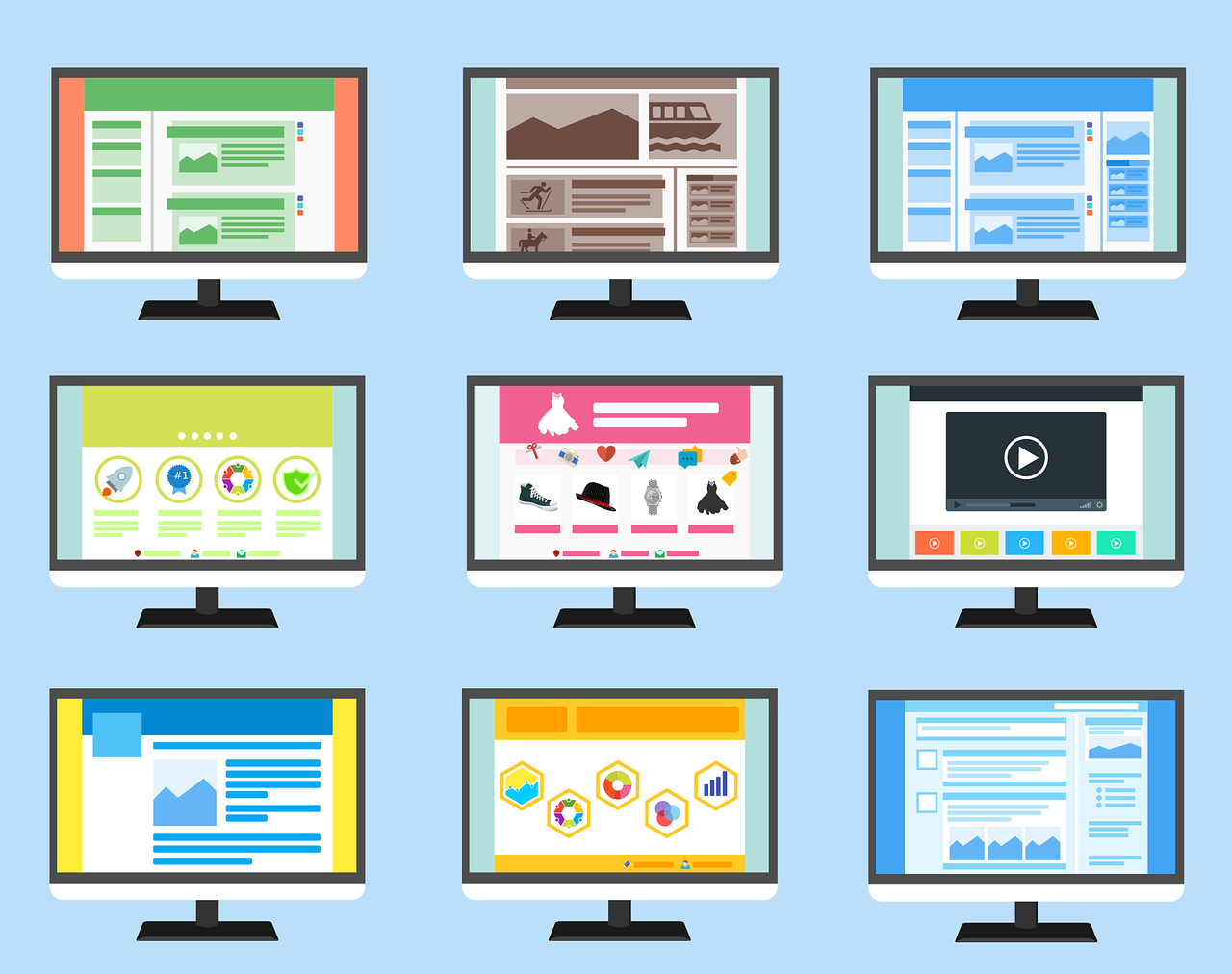
Online trading through online stores has a number of advantages:
- Convenience for buyers: availability at any time and from anywhere with Internet access.
- Wide range of products: more choice than in regular stores.
- Affordability: Prices in online stores are often lower than in offline stores.
- Personalized recommendations: Online stores collect data about customers and offer them products and recommendations that match their interests.
Creating an online store requires:
- Selecting a niche and target audience.
- Choosing a platform for an online store (for example, OpenCart, Shopify, WooCommerce).
- Content preparation (product descriptions, photos).
- Payment and delivery system settings.
- Marketing to attract customers.
E-Commerce Marketing
E-commerce marketing is an essential part of running a successful online business. It helps you attract potential customers, increase brand awareness, and drive online sales. There are many different marketing strategies that you can use for e-commerce, including:
For systematic growth of organic traffic, it is useful to think ahead SEO for an online storeHow categories, products, and filters will be promoted in Google.
Requires special attention SEO for online store categories: The structure, text, and interlinking help users find the products they need faster.
- Content Marketing: Create and distribute valuable, engaging and relevant content to attract and retain a clearly defined audience to drive action that aligns with brand goals.
- Search Engine Optimization (SEO): The practice of increasing the ranking of a website or web page in search engine results pages (SERPs). The goal is to gain free traffic from search engines, which can lead to higher brand awareness, increased website traffic, and higher sales.
- Social Media Marketing: using social media to connect with customers and promote products or services.
- Email Marketing: Sending emails to customers to promote new products or services, encourage repeat purchases, and strengthen customer relationships.
- Affiliate Marketing: A cooperative marketing strategy in which one business promotes and sells another business's products or services for a commission.
- Influencer Marketing: An endorsement or positive review of a brand's product or service by popular social media users or other important figures with large followings.
- Social Media Marketing: Using the power of social media to promote your business and its products through content posted on the social media platforms themselves.
- Paid search: a type of online advertising in which advertisers pay to have their ads displayed in search results or on other advertising platforms.
- Display advertising: A form of online advertising that involves the use of images, videos, and interactive advertising units to reach audiences across various websites and platforms.
- Influencer Marketing: Used to promote products or services through social media influencers who have an established reputation and loyal following.
Customer Service in E-Commerce
Customer service in e-commerce plays an important role in ensuring a positive user experience and increasing sales.
Key tasks of customer service in e-commerce:
- Providing timely and useful information about products and services
- Fast and effective solution to customer problems
- Personalized communication tailored to each client's needs
- Creating and maintaining a positive brand impression
Customer service channels in e-commerce:
- E-mail (the most common channel for solving complex problems)
- Chats (allows you to instantly communicate with clients)
- Phones (used for initial inquiries and to resolve complex issues)
- Social media (provide an additional platform for communication with clients)
Tips for Improving Customer Service in E-Commerce:
- Use a multi-channel approach
- Ensure fast and efficient communication
- Personalize communication
- Use automation to improve efficiency
- Get feedback from customers and make improvements
Finance in e-commerce
The financial aspect of e-commerce includes revenue management, expenses, profits, taxes, and financial planning. To run a successful e-commerce business, online store owners need to manage their finances effectively.
| Key financial indicators | Description |
|---|---|
| Income | The total amount of money received from the sale of goods or services. |
| Expenses | Costs associated with running a business, such as the cost of goods, shipping, and marketing. |
| Profit | The difference between income and expenses, which shows the financial result of the company's activities. |
| Taxes | Financial obligations to the state that must be paid in accordance with current legislation. |
| Financial planning | The process of forecasting and managing financial resources to achieve business goals. |
Effective financial management in e-commerce allows companies to:
- Optimize income and expenses
- Plan for long-term development
- Assess financial risks
- Attract investments
- Increase profitability